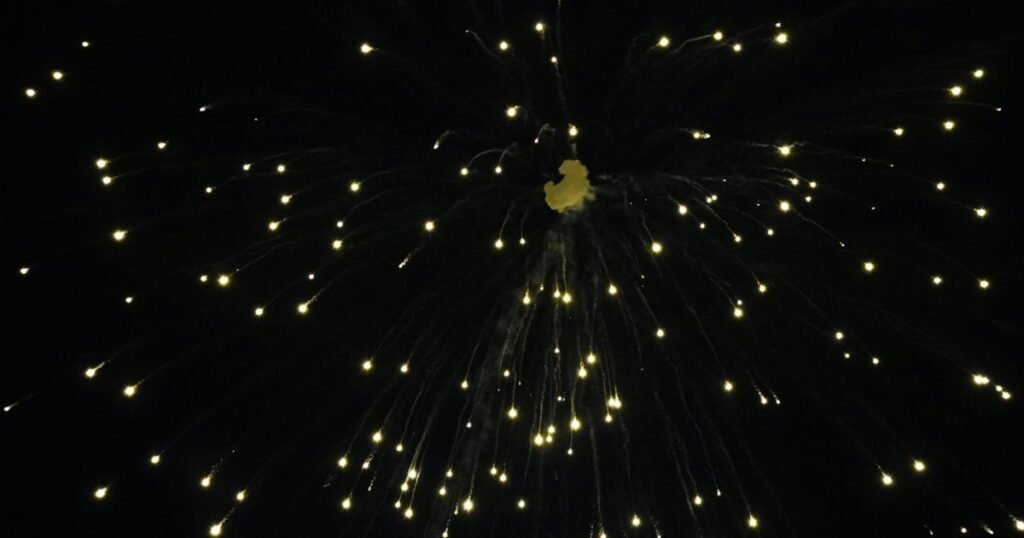
Quick answer: No. The Supreme Court allowed only certified green crackers in Delhi-NCR, and only on 7 and 8 November 2026, between 6–7 am and 8–10 pm. From 9 November the complete firecracker ban is back in force. Bursting or selling crackers now can lead to a police case, and the air in Delhi is already in the "very poor" to "severe" range.
What happened
In an order reported on 4 November 2026, a Supreme Court bench of Justices MM Sundresh and PB Varale relaxed the year-round firecracker ban in Delhi and the National Capital Region (NCR) for Diwali. According to reports by Bar & Bench, SCC Online and India Legal, the court:
- allowed only green crackers approved by CSIR-NEERI (the national environmental research institute that certifies "green" formulations);
- limited bursting to 6 am to 7 am and 8 pm to 10 pm on 7 and 8 November;
- required sealed boxes with product and batch-specific QR codes;
- kept the ban on series crackers ("ladis") and on online sales; and
- said the complete ban returns from 9 November 2026.
Diwali fell on Sunday, 8 November. By early Monday, official Central Pollution Control Board (CPCB) readings put Delhi's average AQI around 366 ("very poor"), with some stations in the "severe" band, as reported by news outlets. The Commission for Air Quality Management (CAQM) had already invoked Stage III of the Graded Response Action Plan (GRAP) on 6 November.
The law behind the ban
Right to clean air. The Supreme Court has long read the right to life under Article 21 of the Constitution to include the right to pollution-free air (for example, Subhash Kumar v. State of Bihar, 1991). The firecracker orders flow from this.
The Arjun Gopal case. The Delhi-NCR firecracker rules come from Arjun Gopal v. Union of India, a petition filed on behalf of children. In October 2018, the court first restricted crackers to "green" and reduced-emission types with fixed bursting hours. Since then, it has passed orders each season. This year's order is the latest in that case.
GRAP. The Graded Response Action Plan is a set of emergency steps (Stages I to IV) that the CAQM triggers as the AQI worsens. It works under the Commission for Air Quality Management in National Capital Region and Adjoining Areas Act, 2021. Stage III brings tighter limits on construction and some vehicles, and in Delhi it moved classes up to Class 5 to hybrid mode from 7 November.
What happens if someone bursts crackers now
From 9 November, bursting or selling crackers in Delhi-NCR breaks the court's order and the ban notified by the authorities. In past seasons, Delhi Police has registered cases mainly under two laws:
| Law | What it covers | Possible penalty |
|---|---|---|
| Section 223, Bharatiya Nyaya Sanhita (BNS), 2023 (earlier Section 188 IPC) | Disobeying an order lawfully issued by a public servant | Up to 6 months' simple imprisonment and/or fine up to ₹2,500; up to 1 year and/or fine up to ₹5,000 if it endangers human life, health or safety |
| Explosives Act, 1884 and Explosives Rules, 2008 | Making, storing, selling or transporting crackers without a valid licence or against licence conditions | Imprisonment and/or fine under Section 9B of the Act |
After the 2025 Diwali window, Delhi Police registered FIRs under Sections 223(a) and (b) of the BNS and the Explosives Act for bursting crackers outside the permitted hours, The Tribune reported. Sellers caught with banned stock have also been arrested in raids before this Diwali.
Officials can face consequences too. Reports of this year's order say the court warned of contempt action against authorities that fail to enforce its directions. Contempt of court is punishable under the Contempt of Courts Act, 1971.
What each side can do next
Residents affected by smoke or noise
1. Call 112 (police) to report bursting or illegal sale. Note the time, place and, if safe, take a short video. 2. Complaints about pollution can also be made to the Delhi Pollution Control Committee or through the CPCB's Sameer app. 3. If enforcement repeatedly fails, residents or associations can approach the High Court or Supreme Court through a writ petition – or apply in the pending matter through a lawyer.
Traders and sellers
– Any stock left over after the Diwali window cannot be sold in Delhi-NCR while the ban is in force. Check your licence conditions under the Explosives Rules before storing or moving stock. – A trader who believes an order is unclear can seek clarification from the court through counsel – but should not sell in the meantime.
People named in an FIR
– Most Section 223 BNS cases are bailable. You can seek legal advice on bail and on whether the FIR is properly made out.
What it means for ordinary people
For most families, the rule is simple: the Diwali window is over, and crackers are banned again in Delhi-NCR. Health advisories during GRAP Stage III usually ask children, older people and those with breathing problems to limit time outdoors. Schools and offices may change hours under GRAP orders, so check notices from your school, office or the Delhi government.
Sources
- Bar & Bench, "Diwali 2026: Supreme Court allows bursting of green crackers in Delhi-NCR on November 7 and 8" (November 2026)
- SCC Online Blog, "Supreme Court Allows Green Crackers in Delhi-NCR on November 7–8, Restores Ban from November 9" (4 November 2026)
- India Legal, report on the Supreme Court's green crackers order (November 2026)
- Business Today, "CAQM invokes GRAP stage III in Delhi NCR" (6 November 2026)
- The Tribune, report on FIRs for bursting crackers outside permitted hours (October 2025)
- Constitution of India, Article 21; Bharatiya Nyaya Sanhita, 2023, Section 223; Explosives Act, 1884
How Nevo can help
If you have been named in an FIR, need help with a bail application, or want to explore a writ or public interest petition over pollution, our experts can guide you. Talk to a lawyer, get advice on bail and anticipatory bail, or on a writ or PIL.
This article is general information, not legal advice. For advice on your situation, speak to an expert.